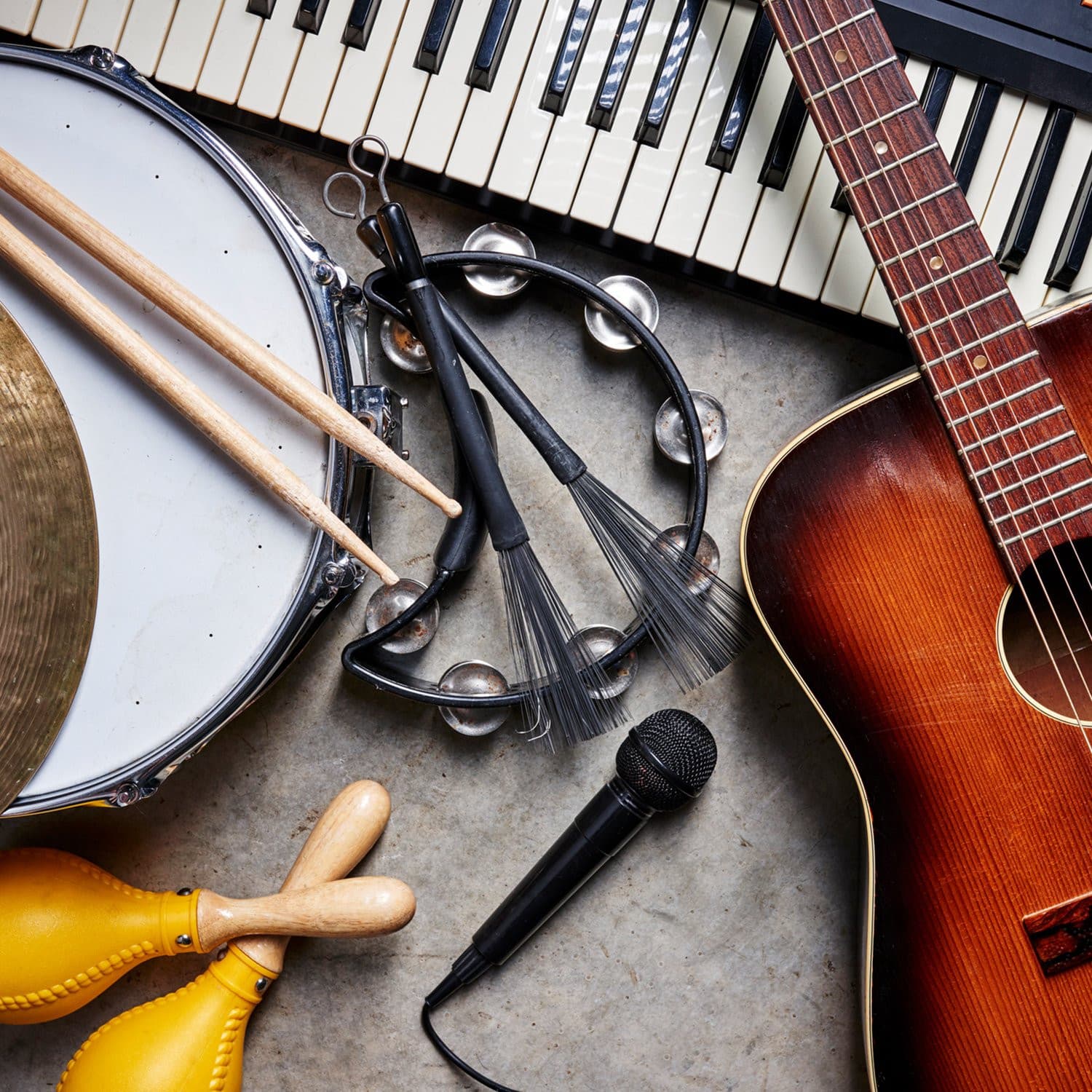
Music
Music is one of the most important activities that schools can provide for students, as it nurtures creativity, discipline, and emotional expression. Unlike purely academic subjects, music engages both the mind and the heart, allowing learners to explore their talents while gaining valuable life skills. By including music in school programs, students are given the chance to grow in ways that support their overall development.
From an educational perspective, music enhances concentration, memory, and listening skills. Studies have shown that children who participate in music activities often perform better in mathematics and languages because of the mental discipline that music requires. Learning rhythms, notes, and patterns stimulates the brain and improves problem-solving abilities, making music a powerful tool for academic support.
Music also contributes greatly to emotional growth. It provides an outlet for self-expression, helping students manage stress, build confidence, and develop empathy. Singing, playing instruments, or even listening to music allows students to communicate feelings that words may not capture. This makes music a form of therapy within the school environment, promoting emotional balance and mental health.
Socially, music brings students together and fosters teamwork. School choirs, bands, and ensembles encourage cooperation, patience, and mutual respect. Students learn to listen to each other, adjust their performance, and work towards a common goal. These skills extend beyond music and prepare them for collaboration in future careers and community life.
Furthermore, music introduces students to cultural diversity. Through songs and instruments from different parts of the world, learners gain appreciation for various traditions and histories. This exposure encourages tolerance, respect, and curiosity about other cultures, which are essential values in today’s interconnected society.
Participation in music can also open doors to opportunities outside the classroom. Talented students may represent their schools in competitions, concerts, or cultural events, building confidence and a sense of pride. These experiences can inspire students to pursue careers in music, performance, or related fields, highlighting how school activities can shape future aspirations.
Music also plays a role in improving school spirit and identity. School anthems, concerts, and performances create moments of unity, bringing together students, teachers, and parents. Such events strengthen the bond within the school community and create lasting memories that students cherish throughout their lives.
In conclusion, music as an activity in school goes far beyond entertainment; it is an essential part of holistic education. It sharpens the mind, nurtures the heart, builds teamwork, and fosters cultural awareness. By supporting music in schools, educators prepare students not only for academic success but also for balanced, creative, and fulfilling lives.
Vivamus tristique ligula quis orci malesuada tincidunt. Praesent magna purus, pharetra eu eleifend non, euismod vitae leo. Interdum et malesuada fames ac ante ipsum primis in faucibus. Quisque sapien enim, feugiat et mi vel, fermentum placerat tortor.

